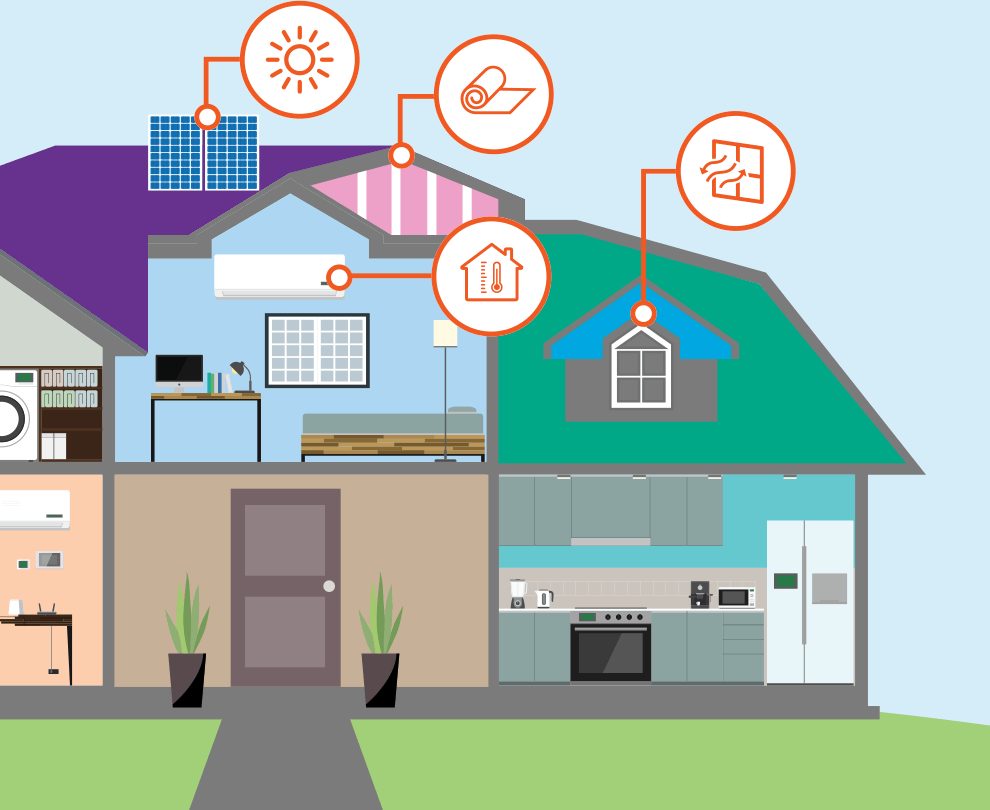
Smart Home Financing and Loan Guide
Smart Home Financing and Loan Guide – Smart homes are no longer a luxury reserved for tech enthusiasts or high-end properties. Today, smart lighting, security systems, thermostats, and energy-efficient devices are becoming common upgrades for everyday homeowners. While the benefits are clear, the cost of turning a traditional house into a smart home can still feel overwhelming. That’s where smart home financing and loan options come into play.
This guide explores how smart home financing works, what loan options are available, and how homeowners can make smarter financial decisions when upgrading their living spaces.
Understanding Smart Home Financing
Smart home financing refers to various financial solutions designed to help homeowners cover the cost of smart technology installations. These solutions allow you to spread payments over time instead of paying a large amount upfront.
Smart home projects can range from small upgrades like smart plugs and cameras to full-scale automation systems involving HVAC controls, integrated security, and energy monitoring. Financing options are flexible enough to support both small and large projects, making smart living more accessible to a wider audience.
Why Financing a Smart Home Makes Sense
Many homeowners hesitate to invest in smart technology because of the initial expense. Financing reduces that barrier by turning a one-time cost into manageable monthly payments. In many cases, smart upgrades also lead to long-term savings through reduced energy bills, lower insurance premiums, and increased property value.
Instead of waiting years to save enough cash, financing allows homeowners to enjoy the benefits immediately while paying gradually.
Common Loan Options for Smart Home Projects
There is no one-size-fits-all solution when it comes to smart home loans. The right option depends on budget, credit profile, and the scope of the project.
Personal Loans for Smart Home Upgrades
Personal loans are one of the most popular ways to finance smart home improvements. These loans are typically unsecured, meaning no collateral is required. Approval is usually quick, and funds can be used for any type of smart device or installation.
Personal loans work well for medium-sized projects such as installing smart security systems, smart thermostats, or home automation hubs. Interest rates vary depending on credit score, but the flexibility makes them appealing for many homeowners.
Home Equity Loans and HELOCs
For larger smart home projects, homeowners often turn to home equity loans or home equity lines of credit. These loans allow you to borrow against the value of your home, usually at lower interest rates compared to personal loans.
This option is ideal for comprehensive smart home renovations, such as integrating smart lighting throughout the house, upgrading energy systems, or installing advanced automation infrastructure. However, because the home is used as collateral, this option carries more risk if payments are missed.
Contractor and Installer Financing
Many smart home installation companies partner with lenders to offer in-house financing. These plans are designed specifically for smart technology projects and may include promotional interest rates or flexible payment terms.
This option can be convenient, especially when working with professional installers. However, it’s still important to compare terms and ensure the financing cost doesn’t outweigh the convenience.
Choosing the Right Financing Strategy
Selecting the best smart home financing option requires more than just looking at monthly payments. Homeowners should consider the total cost, interest rates, repayment terms, and long-term value of the upgrades.
Matching Financing to Project Size
Small upgrades often make more sense with short-term financing, while large smart home transformations benefit from longer repayment periods. Over-financing a minor upgrade can lead to unnecessary interest costs, while under-financing a large project can strain monthly budgets.
Planning the scope of the smart home project in advance helps ensure the financing aligns with actual needs.
Considering Energy Efficiency Savings
Many smart home technologies are designed to reduce energy usage. Smart thermostats, lighting automation, and energy monitoring systems can lower utility bills over time. When evaluating financing options, homeowners should factor in these potential savings, as they can offset monthly loan payments.
In some regions, energy-efficient upgrades may also qualify for incentives or rebates, further improving affordability.
Smart Home Financing and Property Value
One of the most overlooked benefits of smart home financing is its impact on property value. Modern buyers increasingly expect smart features as standard, especially in urban and suburban markets.
Homes with integrated smart systems often stand out in listings and may sell faster than comparable properties without them. Financing smart upgrades can be seen as an investment rather than just an expense, particularly for homeowners planning to sell in the future.
Long-Term Return on Investment
Not all smart devices offer the same return. Security systems, smart climate control, and energy-efficient automation tend to provide the highest value. Financing these upgrades strategically can lead to both immediate lifestyle improvements and long-term financial gains.
Avoiding Common Financing Mistakes
While smart home loans offer convenience, mistakes can reduce their benefits.
Overextending financially is a common issue, especially when homeowners try to automate everything at once. A phased approach, where upgrades are completed gradually, often works better both financially and practically.
Another common mistake is ignoring interest rates and loan terms. Low monthly payments may look attractive, but long repayment periods can significantly increase the total cost. Reading the fine print is essential.
Planning Ahead for a Smarter Home
Smart home financing is most effective when paired with proper planning. Before applying for any loan, homeowners should clearly define their goals, prioritize essential upgrades, and estimate realistic budgets.
Technology evolves quickly, so flexibility is important. Financing solutions that allow early repayment or future upgrades can help homeowners adapt as new smart devices enter the market.
The Future of Smart Home Financing
As smart technology becomes more mainstream, financing options are expected to expand. Lenders are increasingly recognizing smart homes as value-enhancing improvements rather than optional luxuries. This shift may lead to better loan terms and more specialized financing products in the future.
Final Thoughts on Smart Home Financing and Loans
Smart home financing and loan options make modern living accessible to more homeowners than ever before. By spreading costs over time, homeowners can enjoy increased comfort, security, and efficiency without financial strain.
Choosing the right financing option, planning upgrades wisely, and focusing on long-term value are key to making smart home investments truly worthwhile. With the right approach, a smarter home doesn’t have to come at the cost of financial peace of mind.