Home Loan Guide for Real Estate Financing – Buying property is one of the biggest financial decisions most people will ever make. Whether you are purchasing your first home, upgrading to a larger space, or investing in real estate, understanding how home loans work is essential. This home loan guide for real estate financing is designed to help you navigate the basics in a clear and practical way, without overwhelming technical jargon.
A home loan is more than just borrowing money from a bank. It is a long-term financial commitment that affects your cash flow, lifestyle, and future plans. Knowing how the process works can save you money, reduce stress, and help you make smarter decisions in the property market.
Understanding Home Loans in Real Estate Financing
A home loan, also known as a mortgage, is a type of financing used to purchase or refinance real estate. The property itself usually acts as collateral, which allows lenders to offer lower interest rates compared to unsecured loans.
Most home loans are repaid over a long period, commonly ranging from 15 to 30 years. During this time, borrowers pay monthly installments that include both principal and interest. The exact structure depends on the loan type, interest rate, and lender policies.
How Home Loans Support Property Buyers
Real estate prices continue to rise in many markets, making it difficult for buyers to pay in cash. Home loans make property ownership possible by spreading the cost over time. This allows buyers to enter the market sooner while maintaining liquidity for other expenses or investments.
For real estate investors, home loans also play a strategic role. Financing allows investors to leverage capital, potentially increasing returns while managing cash flow more efficiently.
Types of Home Loans for Real Estate Financing
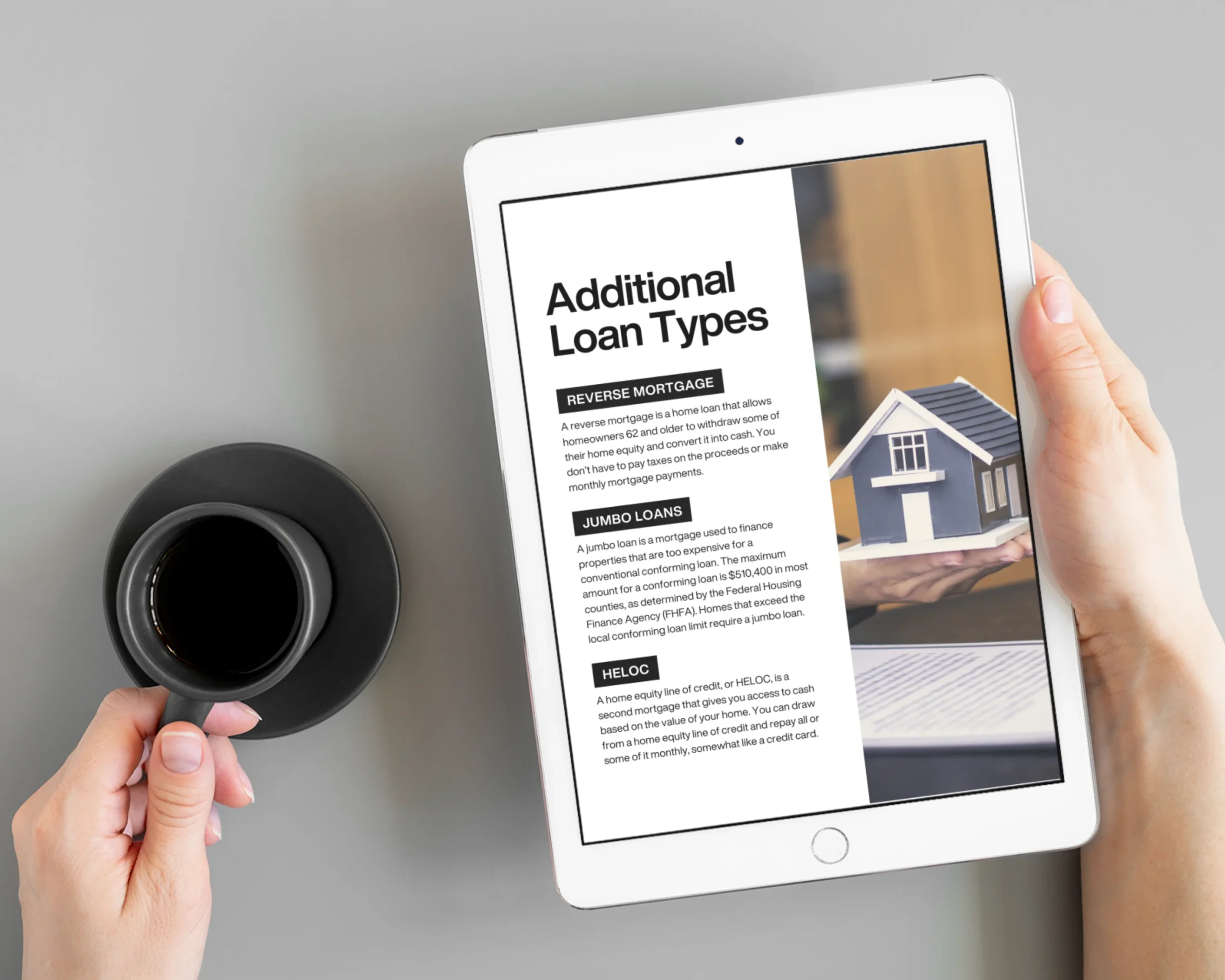
Not all home loans are created equal. Choosing the right type of mortgage can significantly impact your total repayment amount and financial flexibility.
Fixed-Rate Home Loans
A fixed-rate home loan offers an interest rate that remains constant throughout the loan term. This option is popular among buyers who value stability and predictable monthly payments. It is especially suitable in a low-interest-rate environment, as borrowers can lock in favorable rates for the long term.
Adjustable-Rate Home Loans
Adjustable-rate mortgages start with a lower interest rate that changes periodically based on market conditions. While initial payments may be lower, rates can increase over time, which may raise monthly installments. This type of loan can work well for buyers who plan to sell or refinance before the adjustment period begins.
Government-Backed Home Loans
In some countries, governments offer special home loan programs to support first-time buyers or low-income households. These loans often come with lower down payment requirements or more flexible qualification standards, making homeownership more accessible.
Key Factors That Affect Home Loan Approval
Understanding what lenders look for can improve your chances of securing favorable real estate financing.
Credit score is one of the most important factors. A strong credit history demonstrates reliability and can help you qualify for lower interest rates. Income stability also plays a major role, as lenders want to ensure borrowers can manage long-term repayments.
Another critical factor is the loan-to-value ratio, which compares the loan amount to the property’s value. A higher down payment usually results in better loan terms and lower risk for the lender.
The Importance of Interest Rates in Home Loans
Interest rates directly influence the total cost of your home loan. Even a small difference in rate can translate into thousands of dollars over the life of the loan. This is why comparing lenders and understanding market trends is essential in real estate financing.
Rates are affected by economic conditions, inflation, and central bank policies. Borrowers who monitor these factors may find better timing opportunities when applying for a mortgage.
Common Mistakes to Avoid When Financing Real Estate
Many buyers focus only on monthly payments without considering the full cost of the loan. Closing fees, insurance, taxes, and maintenance expenses can add up quickly. A realistic budget should include all these elements to avoid financial strain later.
Another common mistake is borrowing the maximum amount offered by the lender. Just because you qualify for a large loan does not mean it aligns with your long-term financial goals. Choosing a comfortable payment level provides more flexibility and peace of mind.
Tips for Choosing the Right Home Loan
Before committing to a mortgage, take time to compare loan offers from different lenders. Look beyond interest rates and review loan terms, penalties, and refinancing options. Transparency and customer service also matter, especially in long-term real estate financing relationships.
Getting pre-approved for a home loan can strengthen your position as a buyer. It shows sellers that you are serious and financially prepared, which can be an advantage in competitive property markets.
Why a Home Loan Guide Matters for Real Estate Success
Real estate financing can feel complex, especially for first-time buyers. Having a solid home loan guide helps simplify the process and reduces costly mistakes. Knowledge empowers buyers to negotiate better terms and make informed decisions that support long-term financial stability.
A well-chosen home loan is not just a way to buy property. It is a strategic tool that can support wealth building, investment growth, and personal security. By understanding the fundamentals of home loans and real estate financing, buyers can approach the market with confidence and clarity.