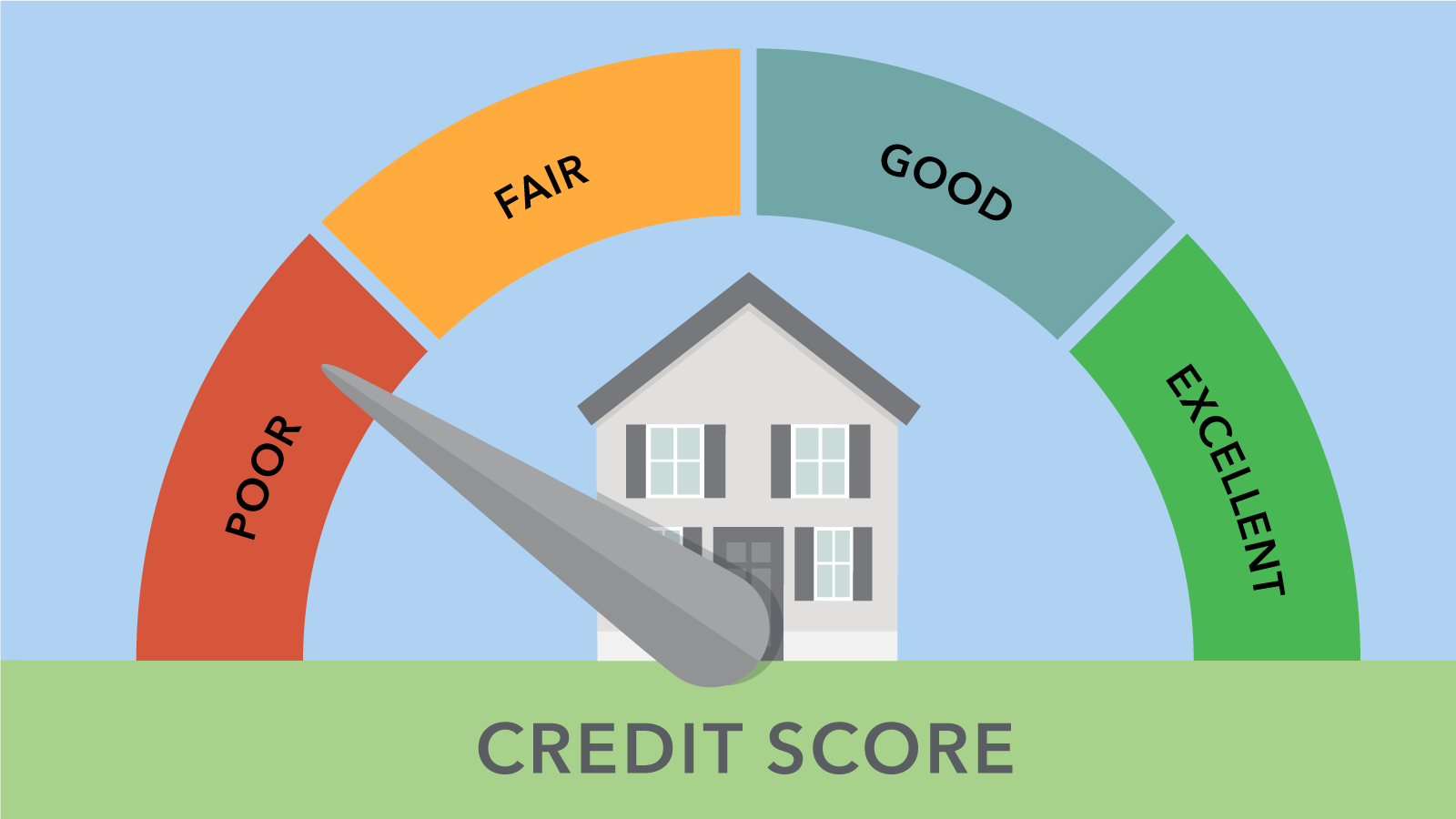
How to Secure a Home Loan With a Low Credit Score – Buying a home is a big milestone, but if your credit score is less than ideal, the process can feel overwhelming. Many people assume that a low credit score automatically disqualifies them from getting a mortgage. The truth is, that’s not always the case. There are still ways to secure a home loan with a low credit score, as long as you understand your options and prepare strategically.
Lenders look at more than just your credit score. While your score plays an important role in determining your eligibility and interest rate, it is only one part of the overall picture. Income stability, debt-to-income ratio, employment history, and the size of your down payment also matter. If you approach the process wisely, you can increase your chances of approval even with less-than-perfect credit.
Understanding How Credit Score Affects Your Mortgage
Your credit score is a numerical representation of your creditworthiness. It tells lenders how reliable you have been in repaying debts. Most conventional lenders prefer borrowers with scores above 620, but this does not mean lower scores are automatically rejected.
For example, loans backed by the Federal Housing Administration are designed to help borrowers with lower credit scores. FHA loans often allow credit scores as low as 580, and sometimes even lower with a larger down payment. This makes them a popular option for first-time homebuyers who may not have strong credit histories.
On the other hand, conventional loans typically follow guidelines set by Fannie Mae and Freddie Mac. These institutions usually require higher credit scores and stricter financial qualifications. However, each lender has its own criteria, so shopping around is essential.
A lower credit score generally means higher interest rates. This is because lenders see you as a higher risk. Over the life of a mortgage, even a small difference in interest rate can significantly affect how much you pay. That’s why it’s important to explore strategies that can improve your application strength before applying.
Practical Steps to Secure a Home Loan With a Low Credit Score
Getting approved for a mortgage with a low credit score is possible if you take the right steps. Preparation and planning can make a huge difference in how lenders view your application.
Review and Improve Your Credit Before Applying
Before you start applying for a home loan, check your credit report carefully. Look for errors such as incorrect late payments, duplicate accounts, or debts that have already been paid. Disputing inaccuracies can sometimes boost your score faster than you expect.
If possible, spend a few months improving your credit. Pay all bills on time, reduce credit card balances, and avoid opening new lines of credit. Even a small increase in your score can qualify you for better mortgage terms.
Consistency matters more than quick fixes. Lenders want to see stable financial behavior. Showing several months of on-time payments can strengthen your case, even if your score is still below average.
Save for a Larger Down Payment
One of the most effective ways to secure a home loan with a low credit score is by offering a larger down payment. A higher down payment reduces the lender’s risk because you are borrowing less money. It also demonstrates financial responsibility.
If you can put down 10% to 20% instead of the minimum requirement, lenders may be more willing to work with you. In some cases, a larger down payment can even offset the impact of a lower credit score when determining your interest rate.
Saving more upfront also reduces your monthly mortgage payments and may help you avoid private mortgage insurance, depending on the loan type.
Lower Your Debt-to-Income Ratio
Your debt-to-income ratio, often called DTI, measures how much of your monthly income goes toward paying debts. Lenders use this ratio to evaluate whether you can afford a mortgage payment.
If you have a low credit score, lowering your DTI can strengthen your application. Focus on paying off smaller debts such as credit cards or personal loans. Avoid taking on new debt before applying for a home loan.
A lower DTI shows lenders that you are not financially overextended. This can increase your chances of getting approved even if your credit score is less than ideal.
Exploring Loan Options for Low Credit Borrowers
Not all mortgage products are created equal. Some are specifically designed to help borrowers with lower credit scores achieve homeownership.
FHA loans, backed by the Federal Housing Administration, are among the most popular options. They offer more flexible credit requirements and lower down payment options compared to conventional loans. However, they do require mortgage insurance premiums, which add to the overall cost.
Another potential option is a VA loan, guaranteed by the U.S. Department of Veterans Affairs. These loans are available to eligible veterans, active-duty service members, and certain military spouses. VA loans often have no minimum credit score requirement set by the agency, though individual lenders may impose their own standards.
USDA loans, supported by the U.S. Department of Agriculture, are designed for rural and suburban homebuyers who meet income requirements. These loans can offer low interest rates and zero down payment options, making them attractive to borrowers with moderate or lower credit scores.
Each program has specific eligibility requirements, so it’s important to research which one fits your financial situation and long-term goals.
Work With the Right Lender
When trying to secure a home loan with a low credit score, choosing the right lender can make a significant difference. Some lenders specialize in working with borrowers who have less-than-perfect credit. They may offer more flexible underwriting standards or provide guidance on improving your application before submission.
It’s wise to compare multiple lenders and request pre-approval quotes. This allows you to see potential interest rates and loan terms without committing immediately. Make sure to ask about all associated costs, including closing fees and mortgage insurance.
Building a relationship with a knowledgeable loan officer can also help. An experienced professional can suggest specific actions to improve your approval chances and recommend loan programs suited to your profile.
Consider a Co-Signer or Alternative Strategies
If your credit score is too low to qualify on your own, adding a co-signer with stronger credit may help. A co-signer agrees to share responsibility for the loan, which reduces the lender’s risk.
However, this is a serious commitment. If you fail to make payments, your co-signer’s credit will also be affected. Make sure both parties fully understand the responsibilities involved before moving forward.
Another strategy is to delay your home purchase and focus on rebuilding your credit. While this requires patience, it can save you thousands of dollars in interest over the life of the loan.
Final Thoughts on Securing a Home Loan With a Low Credit Score
Securing a home loan with a low credit score is not impossible. It requires preparation, realistic expectations, and a willingness to explore alternative mortgage options. By improving your credit habits, saving for a larger down payment, lowering your debt-to-income ratio, and choosing the right loan program, you can significantly increase your chances of approval.