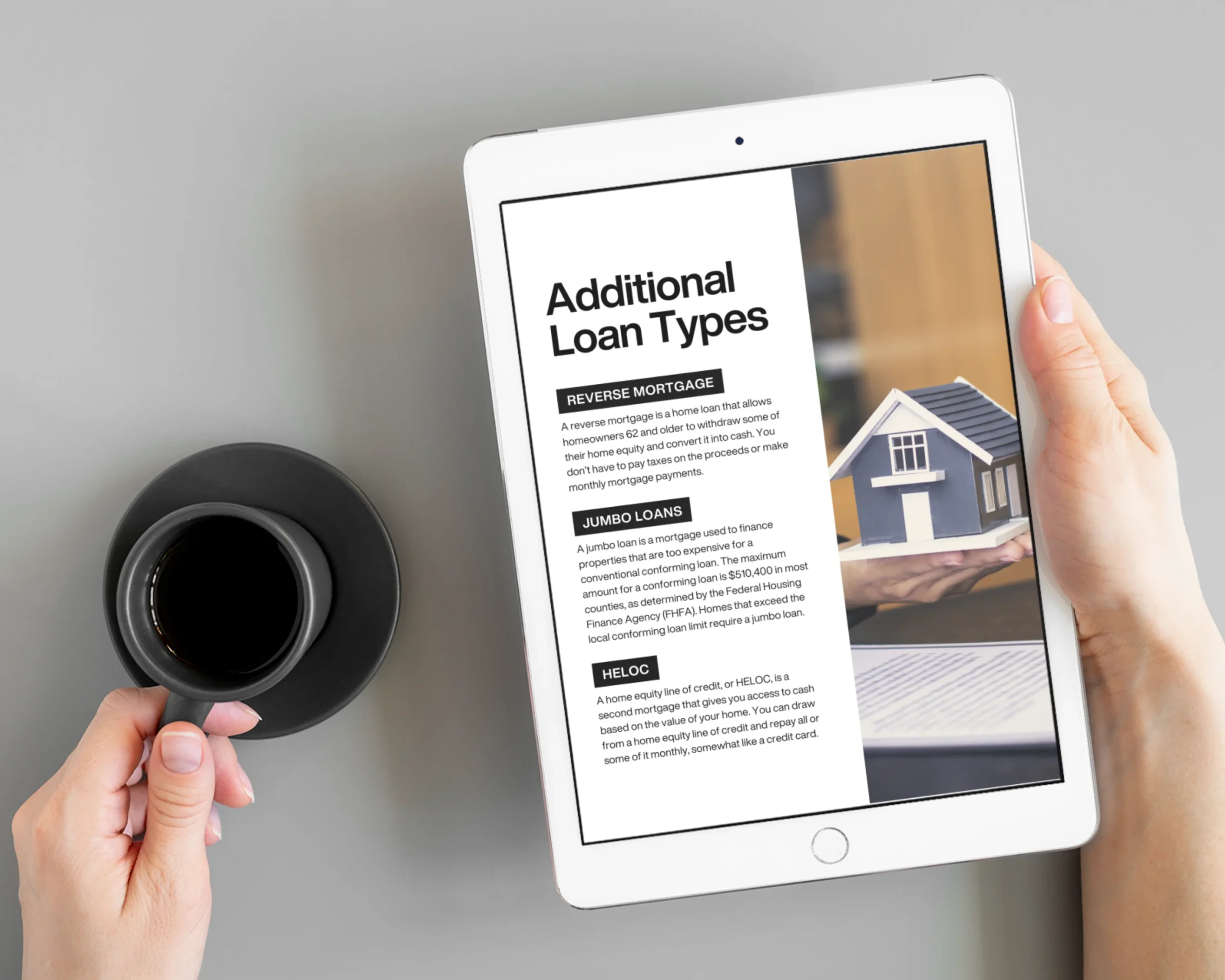
Home Loan Guide for Real Estate Financing
Home Loan Guide for Real Estate Financing – Buying property is one of the biggest financial decisions most people will ever make. Whether you are purchasing your first home, upgrading to a larger space, or investing in real estate, understanding how home loans work is essential. This home loan guide for real estate financing is designed to help you navigate the basics in a clear and practical way, without overwhelming technical jargon.
A home loan is more than just borrowing money from a bank. It is a long-term financial commitment that affects your cash flow, lifestyle, and future plans. Knowing how the process works can save you money, reduce stress, and help you make smarter decisions in the property market.
Understanding Home Loans in Real Estate Financing
A home loan, also known as a mortgage, is a type of financing used to purchase or refinance real estate. The property itself usually acts as collateral, which allows lenders to offer lower interest rates compared to unsecured loans.
Most home loans are repaid over a long period, commonly ranging from 15 to 30 years. During this time, borrowers pay monthly installments that include both principal and interest. The exact structure depends on the loan type, interest rate, and lender policies.
How Home Loans Support Property Buyers
Real estate prices continue to rise in many markets, making it difficult for buyers to pay in cash. Home loans make property ownership possible by spreading the cost over time. This allows buyers to enter the market sooner while maintaining liquidity for other expenses or investments.
For real estate investors, home loans also play a strategic role. Financing allows investors to leverage capital, potentially increasing returns while managing cash flow more efficiently.
Types of Home Loans for Real Estate Financing
Not all home loans are created equal. Choosing the right type of mortgage can significantly impact your total repayment amount and financial flexibility.
Fixed-Rate Home Loans
A fixed-rate home loan offers an interest rate that remains constant throughout the loan term. This option is popular among buyers who value stability and predictable monthly payments. It is especially suitable in a low-interest-rate environment, as borrowers can lock in favorable rates for the long term.
Adjustable-Rate Home Loans
Adjustable-rate mortgages start with a lower interest rate that changes periodically based on market conditions. While initial payments may be lower, rates can increase over time, which may raise monthly installments. This type of loan can work well for buyers who plan to sell or refinance before the adjustment period begins.
Government-Backed Home Loans
In some countries, governments offer special home loan programs to support first-time buyers or low-income households. These loans often come with lower down payment requirements or more flexible qualification standards, making homeownership more accessible.
Key Factors That Affect Home Loan Approval
Understanding what lenders look for can improve your chances of securing favorable real estate financing.
Credit score is one of the most important factors. A strong credit history demonstrates reliability and can help you qualify for lower interest rates. Income stability also plays a major role, as lenders want to ensure borrowers can manage long-term repayments.
Another critical factor is the loan-to-value ratio, which compares the loan amount to the property’s value. A higher down payment usually results in better loan terms and lower risk for the lender.
The Importance of Interest Rates in Home Loans
Interest rates directly influence the total cost of your home loan. Even a small difference in rate can translate into thousands of dollars over the life of the loan. This is why comparing lenders and understanding market trends is essential in real estate financing.
Rates are affected by economic conditions, inflation, and central bank policies. Borrowers who monitor these factors may find better timing opportunities when applying for a mortgage.
Common Mistakes to Avoid When Financing Real Estate
Many buyers focus only on monthly payments without considering the full cost of the loan. Closing fees, insurance, taxes, and maintenance expenses can add up quickly. A realistic budget should include all these elements to avoid financial strain later.
Another common mistake is borrowing the maximum amount offered by the lender. Just because you qualify for a large loan does not mean it aligns with your long-term financial goals. Choosing a comfortable payment level provides more flexibility and peace of mind.
Tips for Choosing the Right Home Loan
Before committing to a mortgage, take time to compare loan offers from different lenders. Look beyond interest rates and review loan terms, penalties, and refinancing options. Transparency and customer service also matter, especially in long-term real estate financing relationships.
Getting pre-approved for a home loan can strengthen your position as a buyer. It shows sellers that you are serious and financially prepared, which can be an advantage in competitive property markets.
Why a Home Loan Guide Matters for Real Estate Success
Real estate financing can feel complex, especially for first-time buyers. Having a solid home loan guide helps simplify the process and reduces costly mistakes. Knowledge empowers buyers to negotiate better terms and make informed decisions that support long-term financial stability.
A well-chosen home loan is not just a way to buy property. It is a strategic tool that can support wealth building, investment growth, and personal security. By understanding the fundamentals of home loans and real estate financing, buyers can approach the market with confidence and clarity.
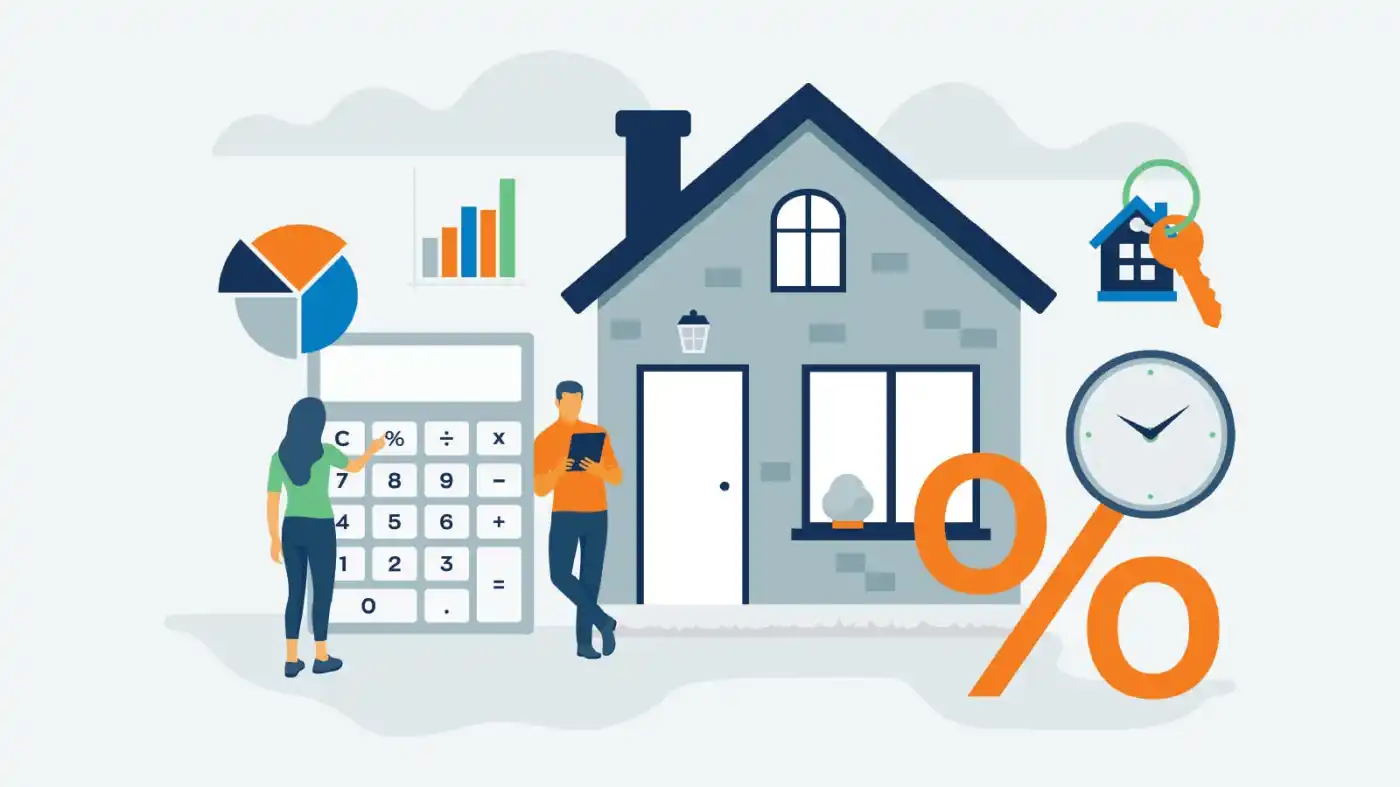
Choosing the Right Mortgage Path for Your First Home
Choosing the Right Mortgage Path for Your First Home – Buying your first home is one of the biggest financial milestones in life. It is exciting, emotional, and sometimes overwhelming at the same time. Among all the decisions you need to make, choosing the right mortgage path can feel like the most confusing one. The mortgage you choose today will shape your monthly budget, your long-term financial stability, and even how comfortable you feel in your new home.
For first-time buyers, understanding mortgage options is not about mastering complex financial theory. It is about finding a balance between affordability, flexibility, and long-term security. With the right approach, your mortgage can become a helpful tool rather than a financial burden.
Understanding What a Mortgage Really Means
A mortgage is not just a loan. It is a long-term agreement that connects your income, your lifestyle, and your future plans. When you take out a mortgage, you are committing to regular payments over many years, often decades. This makes it essential to look beyond the interest rate and think about the bigger picture.
Many first-time buyers focus only on getting approved, without considering how the loan will feel five or ten years down the road. Will your income grow? Do you plan to start a family? Are you likely to move for work? These questions matter more than most people realize when choosing a mortgage path.
Fixed-Rate vs Adjustable-Rate Mortgages
One of the first choices you will face is between a fixed-rate mortgage and an adjustable-rate mortgage. Each option has its own advantages, depending on your financial comfort level and future expectations.
Fixed-Rate Mortgages for Stability
A fixed-rate mortgage offers consistency. Your interest rate stays the same for the entire loan term, which means your monthly payment remains predictable. For many first-time homeowners, this stability provides peace of mind. You always know what to expect, regardless of changes in the market.
This type of mortgage is often ideal if you plan to stay in your home for a long time or if you prefer a steady, reliable budget. While the initial interest rate may be slightly higher than other options, the long-term predictability can be worth it.
Adjustable-Rate Mortgages for Flexibility
An adjustable-rate mortgage usually starts with a lower interest rate, which can make early payments more affordable. After an initial fixed period, the rate adjusts based on market conditions. This can work well for buyers who expect their income to increase or who plan to sell or refinance before the adjustment period begins.
However, adjustable rates come with uncertainty. Payments can increase over time, and that risk should be carefully considered. For first-time buyers, this option works best when there is a clear plan and enough financial buffer.
How Loan Terms Affect Your Financial Life
The length of your mortgage term plays a major role in how much you pay each month and how much interest you pay overall. Common terms include 15-year and 30-year mortgages, but the right choice depends on your priorities.
A shorter loan term usually means higher monthly payments but lower total interest. This option can help you build equity faster and become debt-free sooner. On the other hand, a longer loan term offers lower monthly payments, giving you more breathing room in your budget.
First-time buyers often choose longer terms to keep payments manageable, especially during the early years of homeownership when expenses tend to add up.
The Importance of Down Payments and Credit Scores
Your down payment and credit score strongly influence the mortgage options available to you. A larger down payment can reduce your loan amount and help you secure better interest rates. It can also eliminate the need for additional insurance costs in some cases.
Credit score matters just as much. Lenders use it to assess risk, and even a small difference in score can lead to significant changes in interest rates. Before applying for a mortgage, it is wise to review your credit report and address any issues you can improve.
Government-Backed Mortgage Options
For many first-time homebuyers, government-backed loans provide a helpful entry point into the housing market. These mortgages are designed to make homeownership more accessible, especially for buyers with limited savings or less-than-perfect credit.
Programs like FHA, VA, and USDA loans offer different benefits, such as lower down payment requirements or more flexible credit guidelines. While these options may include additional conditions, they can open doors that traditional loans may keep closed.
Choosing a Mortgage That Fits Your Lifestyle
The best mortgage is not always the cheapest one on paper. It is the one that fits your lifestyle and financial habits. Some buyers value flexibility and early payoff options, while others prioritize stability and low stress.
Think about how comfortable you are with financial risk, how steady your income is, and how much room you want in your monthly budget. A mortgage should support your life, not limit it.
Planning Beyond the First Year
Many first-time homeowners underestimate how expenses can grow after moving in. Maintenance, repairs, and property taxes can add up quickly. When choosing a mortgage, leave enough room in your budget to handle these costs without strain.
It is also smart to consider refinancing options in the future. Interest rates change, and your financial situation may improve. A mortgage that allows flexibility can give you more options later.
Working With the Right Lender
Choosing the right lender is just as important as choosing the right mortgage product. A good lender will take the time to explain your options clearly and answer your questions honestly. For first-time buyers, guidance and transparency can make a huge difference.
Do not hesitate to compare offers from multiple lenders. Small differences in rates or fees can have a big impact over time. Trust and communication matter as much as numbers.
Final Thoughts on Your First Mortgage Journey
Choosing the right mortgage path for your first home is a personal decision shaped by your goals, finances, and comfort level. There is no universal solution, only the option that works best for you.
By understanding the basics, considering your long-term plans, and staying realistic about your budget, you can move forward with confidence. Your first home should be a source of pride and security, and the right mortgage is a key part of making that happen.
Taking the time to choose wisely today can help ensure that your journey into homeownership starts on solid ground and stays that way for years to come.

Real Estate Financing Tips for Modern Home Buyers
Real Estate Financing Tips for Modern Home Buyers – Buying a home today is very different from what it was ten or even five years ago. Rising property prices, changing mortgage rules, and digital financial tools have reshaped how modern home buyers approach real estate financing. Whether you are a first-time buyer or upgrading to a new property, understanding smart financing strategies can help you secure a better deal and avoid long-term financial stress.
In this guide, we’ll explore practical and realistic real estate financing tips designed specifically for modern home buyers who want to make informed decisions in a competitive housing market.
Understanding the Basics of Real Estate Financing
Before diving into advanced strategies, it’s important to understand what real estate financing actually involves. At its core, real estate financing is the process of securing funds to purchase a property, usually through a mortgage loan. This loan is repaid over time with interest, and the terms you agree to can significantly affect your financial future.
Modern home buyers have more financing options than ever before. Traditional banks, online lenders, credit unions, and even private lenders now compete to offer mortgage products. Each option comes with different interest rates, repayment terms, and qualification requirements. Knowing how these differ can help you choose the right path.
Why Financing Strategy Matters More Than Ever
With property prices climbing in many regions, financing mistakes can be costly. A slightly higher interest rate or poorly structured loan may add tens of thousands of dollars to the total cost of a home. That’s why modern buyers should focus not only on getting approved, but on getting approved under the best possible terms.
Improving Your Financial Profile Before Buying
One of the most effective real estate financing tips is to prepare your financial profile well before you start house hunting. Lenders evaluate several key factors to determine your eligibility and interest rate.
Your credit score plays a major role. A higher score signals lower risk, which often leads to better mortgage rates. Paying bills on time, reducing outstanding debt, and avoiding new credit applications can all help improve your score in the months leading up to your purchase.
Income stability is another critical factor. Lenders prefer borrowers with consistent employment and predictable income. If you’re self-employed or working freelance, maintaining clean financial records and tax filings becomes even more important.
The Importance of Debt-to-Income Ratio
Debt-to-income ratio, or DTI, measures how much of your monthly income goes toward debt payments. A lower DTI improves your chances of mortgage approval and can unlock better loan terms. Modern home buyers often overlook this metric, but reducing existing debt before applying for a mortgage can make a noticeable difference.
Choosing the Right Mortgage Type
Not all mortgages are created equal. Choosing the right type of mortgage is one of the most important real estate financing decisions you’ll make.
Fixed-rate mortgages offer stability, with the same interest rate throughout the loan term. This option is popular among buyers who value predictable monthly payments and long-term planning.
Adjustable-rate mortgages, on the other hand, often start with lower interest rates that change over time. These can be appealing for buyers who plan to sell or refinance within a few years, but they carry more risk if rates rise unexpectedly.
Government-Backed Loan Options
Many modern home buyers qualify for government-backed loans, such as FHA, VA, or USDA loans. These programs often require lower down payments and have more flexible credit requirements. While they may include additional fees or insurance costs, they can be valuable tools for buyers who don’t meet conventional loan standards.
Down Payments and Smart Saving Strategies
Saving for a down payment remains one of the biggest challenges for modern home buyers. While the traditional 20 percent down payment is ideal, many lenders now offer options with lower upfront requirements.
Smaller down payments can make homeownership more accessible, but they may come with trade-offs such as private mortgage insurance or higher interest rates. Understanding these trade-offs is key to making a smart financing decision.
Balancing Down Payment Size and Cash Reserves
Putting all your savings into a down payment may seem like a good idea, but it can leave you financially vulnerable. Maintaining cash reserves for emergencies, repairs, and moving costs is a practical approach that many experienced buyers recommend.
Working With Lenders in the Digital Age
Modern technology has transformed how buyers interact with lenders. Online mortgage platforms allow you to compare rates, submit documents, and track applications with ease. This transparency empowers buyers to shop around and negotiate better terms.
Getting pre-approved before making an offer is especially important in competitive markets. A pre-approval shows sellers that you are a serious buyer and gives you a clear understanding of your budget.
Comparing Offers Beyond Interest Rates
While interest rates matter, they are not the only factor to consider. Closing costs, loan fees, flexibility, and customer service can all impact your experience. Modern home buyers should look at the full picture rather than focusing solely on the advertised rate.
Long-Term Thinking in Real Estate Financing
A home purchase is not just a short-term transaction; it’s a long-term financial commitment. Thinking beyond the first few years can help you avoid regret later on.
Consider how your income, family size, and lifestyle may change over time. Choosing a mortgage that allows for refinancing or early repayment without heavy penalties can provide valuable flexibility.
Refinancing as a Future Opportunity
Interest rates fluctuate, and refinancing can be a powerful tool when rates drop or your financial situation improves. While it’s not guaranteed, keeping refinancing in mind can influence your initial loan choice and help you maximize long-term savings.
Final Thoughts for Modern Home Buyers
Real estate financing doesn’t have to be overwhelming. By understanding the fundamentals, preparing your finances, and choosing the right mortgage strategy, modern home buyers can navigate the process with confidence.
The key is to stay informed, compare options carefully, and think long-term. In today’s evolving housing market, smart financing decisions are just as important as finding the right property. With the right approach, homeownership can be both achievable and financially sustainable.

The Growing Accessibility of Home Equity Loans in Asia
The Growing Accessibility of Home Equity Loans in Asia – Home equity loans are becoming increasingly popular across Asia, driven by rising property ownership, improving financial infrastructure, and changing consumer needs. For many homeowners, property is no longer just a place to live. It has evolved into a valuable financial asset that can unlock liquidity for business, education, investment, or emergency needs.
Across major Asian economies, lenders are simplifying processes, reducing approval times, and expanding access to home-backed credit. This shift is reshaping how individuals and small businesses approach financing, especially in markets where unsecured loans remain expensive or difficult to obtain.
Understanding Home Equity Loans in the Asian Context
A home equity loan allows homeowners to borrow money using their residential property as collateral. The loan amount is usually based on the property’s market value, outstanding mortgage balance, and the borrower’s repayment capacity.
In Asia, this type of financing is often known under different names, including home-backed loans, property-secured credit, or mortgage top-up loans. Regardless of the term, the core concept remains the same: leveraging home value to access more affordable credit.
What makes Asia unique is the diversity of its markets. Developed financial hubs such as Singapore, Hong Kong, Japan, and South Korea offer highly structured home equity products, while emerging markets like Indonesia, Vietnam, Thailand, and the Philippines are rapidly catching up with simplified and more flexible options.
Why Home Equity Loans Are Becoming More Accessible
Rising Property Ownership
Property ownership has grown steadily across Asia over the past two decades. Urbanization, expanding middle-class populations, and government-backed housing programs have all contributed to higher homeownership rates. As more people own homes outright or have built significant equity, lenders see a larger opportunity to offer secured credit.
For banks and financial institutions, home equity loans are relatively lower risk compared to unsecured lending. This has encouraged them to actively promote these products and relax entry barriers.
Improved Financial Infrastructure
Digital banking and fintech adoption have played a major role in increasing accessibility. Property valuations, credit scoring, and document verification are now faster and more transparent than before.
In many Asian countries, loan applications that once took weeks can now be processed in a matter of days. Online submissions, remote property assessments, and automated underwriting systems have reduced friction for both lenders and borrowers.
Competitive Lending Markets
Competition among banks, non-bank financial institutions, and fintech lenders has pushed interest rates down and terms to become more borrower-friendly. Flexible repayment tenures, higher loan-to-value ratios, and customized loan structures are now common.
This competitive environment benefits homeowners who are seeking better financing options without excessive paperwork or rigid requirements.
Key Benefits of Home Equity Loans in Asia
One of the main reasons homeowners choose home equity loans is cost efficiency. Interest rates are generally lower than personal loans or credit cards because the loan is secured by property.
Another advantage is loan size. Home equity loans often provide access to larger amounts of capital, making them suitable for business expansion, property renovation, education funding, or debt consolidation.
In many Asian markets, borrowers also enjoy longer repayment periods, which helps keep monthly installments manageable. This makes home-backed credit a practical solution for long-term financial planning.
Popular Uses of Home Equity Loans
Business and Entrepreneurship
Small and medium-sized enterprises are the backbone of many Asian economies. Home equity loans are frequently used by entrepreneurs to fund startups, expand operations, or manage cash flow.
For business owners who may struggle to qualify for traditional business loans, using residential property as collateral provides an alternative path to financing.
Education and Family Needs
Education costs continue to rise across Asia, especially for overseas study or private institutions. Home equity loans offer a structured and affordable way for families to invest in education without relying on high-interest unsecured loans.
Healthcare expenses and family emergencies are also common reasons homeowners tap into their property equity.
Property Investment and Renovation
Many borrowers use home equity loans to renovate existing properties or invest in additional real estate. In markets where property values are appreciating, this strategy allows homeowners to maximize asset utilization while maintaining ownership.
Regional Trends Across Asia
In East Asia, countries like Japan and South Korea have mature mortgage markets with stable home equity loan offerings. Borrowers benefit from low interest rates and strong consumer protection frameworks.
Southeast Asia is experiencing rapid growth in home-backed lending. Indonesia, Thailand, and Vietnam have seen increasing demand as financial literacy improves and lenders introduce simplified loan products tailored to local income structures.
In South Asia, particularly India, home equity loans are gaining traction as an alternative to business and personal loans. Banks and housing finance companies actively market these products to salaried professionals and self-employed individuals.
Risks and Considerations for Borrowers
While accessibility is improving, borrowers should remain aware of the risks. A home equity loan places the property at risk if repayments are not met. Responsible borrowing and realistic repayment planning are essential.
Interest rates, while lower than unsecured credit, may be variable depending on the lender and market conditions. Borrowers should also consider fees related to appraisal, legal documentation, and early repayment.
Understanding local regulations and lender terms is critical, especially in markets where consumer protection standards vary.
The Future of Home Equity Lending in Asia
The outlook for home equity loans in Asia remains positive. As property markets mature and digital lending continues to expand, accessibility is expected to improve further.
Fintech innovation is likely to introduce more personalized loan offerings, faster approvals, and greater transparency. At the same time, regulators across Asia are strengthening frameworks to ensure responsible lending and borrower protection.
For homeowners, this means greater opportunity to turn property value into practical financial leverage. For lenders, it represents a stable and scalable credit segment with long-term growth potential.
Final Thoughts
The growing accessibility of home equity loans in Asia reflects broader changes in how people view property ownership and financial planning. Homes are no longer static assets but dynamic tools that can support personal goals, business ambitions, and long-term stability.
As awareness increases and lending processes become more streamlined, home equity loans are set to play an even bigger role in Asia’s evolving financial landscape. For the right borrower, used wisely, they offer a powerful and flexible financing solution grounded in one of the region’s most valuable assets: real estate.
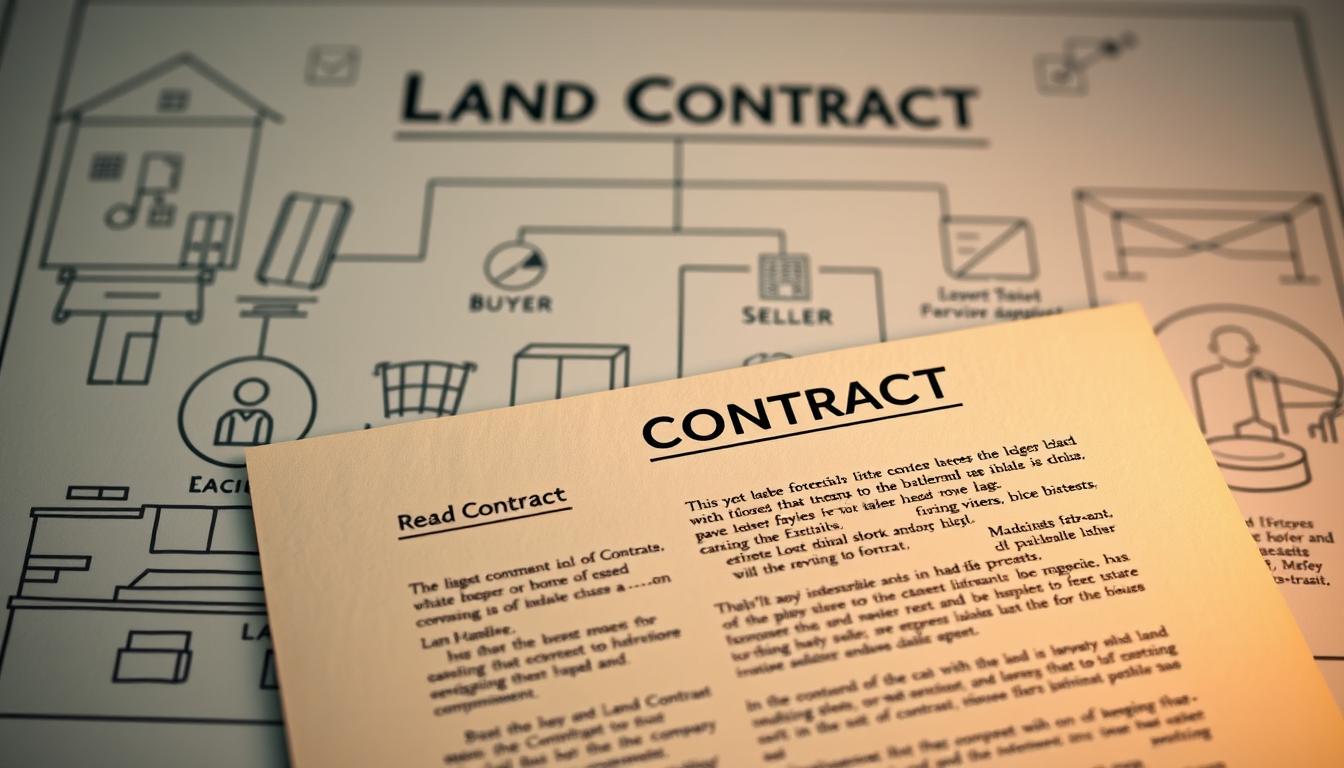
Understanding Property Installments Without Confusion
Understanding Property Installments Without Confusion – Buying property is often described as one of the biggest financial decisions in life. For many people, paying the full price upfront is simply not realistic. This is where property installments come into play. Unfortunately, the concept of property installments can feel confusing, especially for first-time buyers who are not familiar with financial terms or real estate processes.
Understanding how property installments work does not have to be complicated. With the right perspective and clear explanation, you can make smarter decisions and avoid costly mistakes. This article breaks down the idea of property installments in a simple and practical way, so you can move forward with confidence.
What Are Property Installments?
Property installments refer to a payment system where a buyer pays for a property in stages rather than all at once. Instead of handing over a large sum, payments are spread over a specific period, usually monthly or yearly, depending on the agreement.
This system allows buyers to own or secure a property while managing their cash flow more comfortably. Property installments are commonly used for houses, apartments, land, and even commercial buildings.
At its core, the installment system is about flexibility. It opens the door to property ownership for people who have stable income but limited savings.
How Property Installments Actually Work
When you buy a property using installments, the total price is divided into smaller payments. These payments are made over a fixed duration, which can range from a few years to several decades.
The structure usually starts with a down payment. This is an initial amount paid upfront to secure the property. After that, the remaining balance is paid in installments according to the agreed schedule.
In many cases, installments include interest, especially when financing is provided by a bank or financial institution. However, some developers offer installment plans without bank involvement, which can reduce complexity but may come with different terms.
Bank-Based Installments
Bank-based property installments involve a mortgage or home loan. The bank pays the developer or seller, and the buyer repays the bank over time. Interest rates, loan tenure, and approval requirements play a big role in this type of installment.
This option is popular because it allows longer repayment periods and often offers legal protection through regulated systems.
Developer Installment Plans
Developer installment plans are agreements directly between the buyer and the property developer. These plans may offer shorter repayment periods and sometimes lower upfront requirements.
While they can be attractive, buyers should carefully review contracts to understand penalties, ownership status, and payment deadlines.
Why Property Installments Are So Popular
Property installments have become increasingly popular for several reasons. Rising property prices make it harder to pay in cash, especially in urban areas. Installments provide a practical solution that aligns with modern income patterns.
Another reason is accessibility. Installment plans allow younger buyers, entrepreneurs, and families to invest in property earlier rather than waiting years to save enough money.
Installments also help with financial planning. Fixed monthly payments make budgeting easier and reduce the pressure of large, sudden expenses.
Common Misunderstandings About Property Installments
Many people avoid property installments because of misconceptions. One common belief is that installments are always risky or expensive. In reality, the risk depends on the terms, not the concept itself.
Another misunderstanding is assuming that all installment plans are the same. Each property, developer, or bank can offer very different conditions. Interest rates, payment schedules, and penalties can vary widely.
Some buyers also believe that missing one payment automatically results in losing the property. While late payments can cause problems, most agreements include grace periods or restructuring options.
Key Things to Check Before Choosing an Installment Plan
Before committing to a property installment plan, it is essential to read and understand the agreement. Look closely at the total price you will pay by the end of the installment period, not just the monthly amount.
Make sure you understand how interest is calculated and whether it is fixed or variable. Small differences in interest rates can significantly impact long-term costs.
It is also important to check ownership status. Some installment plans transfer ownership only after full payment, while others offer conditional ownership earlier.
Managing Property Installments Without Stress
Managing property installments successfully comes down to preparation and discipline. Choose a payment plan that fits your income, not just your expectations. It is better to select a slightly longer tenure than to struggle with high monthly payments.
Setting aside an emergency fund can help protect you if unexpected expenses arise. This ensures you can continue paying installments even during difficult times.
Regularly reviewing your finances and communicating with lenders or developers can also prevent small issues from becoming serious problems.
The Role of Financial Planning
Good financial planning makes property installments much easier to handle. Knowing your monthly expenses, income stability, and future goals helps you choose a realistic plan.
Avoid stretching your budget to the limit. Property ownership should improve your quality of life, not create constant financial pressure.
Property Installments as a Long-Term Investment
Beyond personal use, property installments are often used as an investment strategy. Investors use installment plans to acquire assets while preserving cash for other opportunities.
Over time, property values may increase, allowing investors to benefit from appreciation while paying installments gradually. Rental income can also help cover monthly payments.
However, investment-focused buyers should carefully analyze market conditions, location potential, and long-term demand before committing.
Final Thoughts on Understanding Property Installments
Property installments are not something to fear. They are simply a financial tool designed to make property ownership more accessible. When understood correctly, they offer flexibility, opportunity, and long-term value.
The key is clarity. By understanding how installments work, what to look for in agreements, and how to manage payments responsibly, buyers can avoid confusion and make informed decisions.
Whether you are buying your first home or expanding your property portfolio, taking the time to understand property installments can save you money, reduce stress, and lead to smarter investments in the future.

Why Buying a House with Cash Is Cheaper Than Financing
Why Buying a House with Cash Is Cheaper Than Financing – Buying a home is one of the biggest financial decisions most people make in their lifetime. While mortgages and financing are common paths to homeownership, paying with cash offers unique advantages that are often overlooked. Although it requires significant upfront funds, buying a house with cash can actually be cheaper in the long run compared to taking out a loan.
This article explores why cash purchases can save money, reduce stress, and create opportunities that financing may not offer.
Understanding the Cost of Financing a Home
When most people think about buying a house, a mortgage is usually the default option. Mortgages allow buyers to spread the cost of a home over many years, making high-priced properties more accessible. However, this convenience comes with added costs that can significantly increase the total price of a home.
Interest rates, loan origination fees, mortgage insurance, and other charges are part of the financing process. Even with a relatively low interest rate, the cumulative cost of paying a mortgage over 15 or 30 years can be substantial. For example, a 30-year loan at a 6% interest rate can add hundreds of thousands of dollars in interest to the cost of a home. This extra expense is avoided entirely when paying cash.
The Hidden Expenses of Mortgages
It’s not just interest that makes financing expensive. Lenders often require appraisal fees, underwriting fees, and closing costs, which can quickly add up. Some loans also require private mortgage insurance, especially if the buyer cannot provide a large down payment. Over time, these fees create a noticeable gap between the sticker price of a home and what a financed buyer actually pays.
Cash buyers, on the other hand, bypass these costs entirely. Without lenders involved, closing is often simpler and faster, with fewer fees to pay upfront.
Immediate Financial Benefits of Paying Cash
Paying cash gives homeowners several advantages beyond saving on interest. One of the most immediate benefits is negotiating power. Sellers often prefer cash buyers because the transaction is faster and less likely to fall through. This can lead to lower purchase prices, sometimes significantly below market value.
Additionally, cash buyers avoid monthly mortgage payments. This not only reduces financial stress but also frees up income for other investments or personal expenses. Homeownership without debt creates flexibility that financed buyers rarely experience.
Reducing Risk and Uncertainty
Mortgages carry a level of financial risk. Changes in interest rates, job stability, and personal circumstances can affect a homeowner’s ability to make payments. Paying cash eliminates these risks entirely. There is no loan to default on, no late payment penalties, and no threat of foreclosure. This peace of mind is often undervalued but is an important financial benefit.
Long-Term Savings of Cash Purchases
The most significant advantage of paying cash is the long-term financial savings. Even with a large upfront investment, the total cost of owning a home is lower when interest and loan fees are removed from the equation. Over decades, these savings can be substantial.
For example, consider a house priced at $400,000. Financing it with a 30-year mortgage at 6% interest could result in paying over $700,000 in total. Paying cash reduces that total to the actual purchase price plus minor closing fees, saving hundreds of thousands over time.
This simple math illustrates why many real estate investors and savvy homeowners prefer cash deals whenever possible. The financial advantage is clear and measurable.
Flexibility and Opportunities for Cash Buyers
Cash purchases also provide unique opportunities that financed buyers often miss. A cash buyer can act quickly, which is especially valuable in competitive markets. Homes in high-demand areas often sell quickly, and sellers may prioritize buyers who can close without waiting for bank approvals.
Additionally, paying cash opens doors to investment opportunities. Cash buyers can purchase distressed properties, negotiate better deals, or take advantage of auctions where financing is not allowed. This flexibility can lead to higher returns on investment in both personal and rental properties.
Avoiding Complicated Loan Approvals
Securing a mortgage can be a lengthy and stressful process. Lenders require documentation of income, assets, credit history, and employment verification. Delays or missing documents can derail a purchase entirely. Cash buyers skip this process, often completing transactions in days or weeks instead of months. This simplicity is another reason why cash is cheaper when factoring in both time and potential stress.
Considerations When Paying Cash
While paying cash has many advantages, it is not always the perfect choice for every buyer. The biggest consideration is liquidity. Tying up a large sum of money in a property can limit access to funds for emergencies or other investments. Buyers need to ensure they maintain a sufficient financial cushion even after purchasing a home outright.
It’s also worth noting that some financing options may offer tax advantages. Mortgage interest deductions, for instance, can provide annual savings on taxes. However, these benefits are often smaller than the overall savings achieved by avoiding interest and loan fees entirely.
Balancing Investment and Homeownership Goals
For many buyers, the decision between cash and financing comes down to balancing short-term and long-term financial goals. Paying cash is generally cheaper over the life of the home, but financing may make sense if it allows funds to be invested elsewhere at higher returns. Understanding personal financial priorities is key to making the best decision.
Conclusion: Cash Is King in Real Estate
Buying a house with cash is often the most cost-effective way to achieve homeownership. By eliminating interest payments, loan fees, and mortgage insurance, cash buyers save substantial money and reduce financial risk.
Beyond savings, cash purchases provide flexibility, faster transactions, and increased negotiating power. While it requires careful planning and a significant upfront investment, the long-term financial benefits make it a smart choice for many homeowners.
For those who can manage it, paying cash is more than just cheaper—it’s a path to stress-free, debt-free homeownership and greater financial freedom.
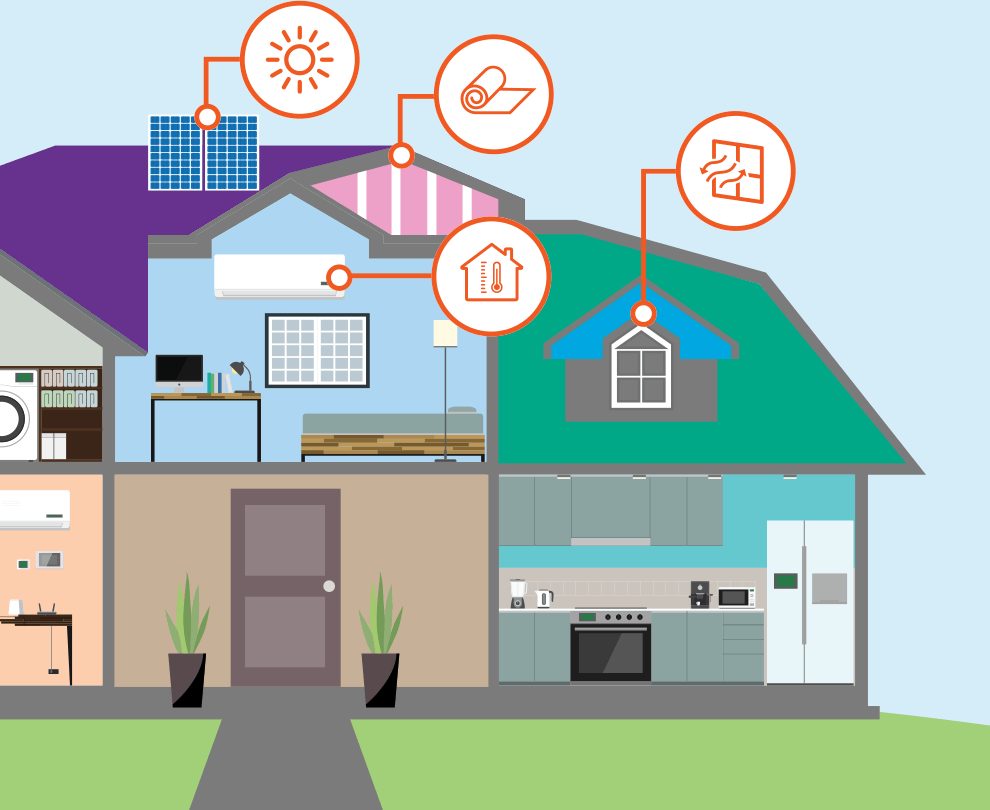
Smart Home Financing and Loan Guide
Smart Home Financing and Loan Guide – Smart homes are no longer a luxury reserved for tech enthusiasts or high-end properties. Today, smart lighting, security systems, thermostats, and energy-efficient devices are becoming common upgrades for everyday homeowners. While the benefits are clear, the cost of turning a traditional house into a smart home can still feel overwhelming. That’s where smart home financing and loan options come into play.
This guide explores how smart home financing works, what loan options are available, and how homeowners can make smarter financial decisions when upgrading their living spaces.
Understanding Smart Home Financing
Smart home financing refers to various financial solutions designed to help homeowners cover the cost of smart technology installations. These solutions allow you to spread payments over time instead of paying a large amount upfront.
Smart home projects can range from small upgrades like smart plugs and cameras to full-scale automation systems involving HVAC controls, integrated security, and energy monitoring. Financing options are flexible enough to support both small and large projects, making smart living more accessible to a wider audience.
Why Financing a Smart Home Makes Sense
Many homeowners hesitate to invest in smart technology because of the initial expense. Financing reduces that barrier by turning a one-time cost into manageable monthly payments. In many cases, smart upgrades also lead to long-term savings through reduced energy bills, lower insurance premiums, and increased property value.
Instead of waiting years to save enough cash, financing allows homeowners to enjoy the benefits immediately while paying gradually.
Common Loan Options for Smart Home Projects
There is no one-size-fits-all solution when it comes to smart home loans. The right option depends on budget, credit profile, and the scope of the project.
Personal Loans for Smart Home Upgrades
Personal loans are one of the most popular ways to finance smart home improvements. These loans are typically unsecured, meaning no collateral is required. Approval is usually quick, and funds can be used for any type of smart device or installation.
Personal loans work well for medium-sized projects such as installing smart security systems, smart thermostats, or home automation hubs. Interest rates vary depending on credit score, but the flexibility makes them appealing for many homeowners.
Home Equity Loans and HELOCs
For larger smart home projects, homeowners often turn to home equity loans or home equity lines of credit. These loans allow you to borrow against the value of your home, usually at lower interest rates compared to personal loans.
This option is ideal for comprehensive smart home renovations, such as integrating smart lighting throughout the house, upgrading energy systems, or installing advanced automation infrastructure. However, because the home is used as collateral, this option carries more risk if payments are missed.
Contractor and Installer Financing
Many smart home installation companies partner with lenders to offer in-house financing. These plans are designed specifically for smart technology projects and may include promotional interest rates or flexible payment terms.
This option can be convenient, especially when working with professional installers. However, it’s still important to compare terms and ensure the financing cost doesn’t outweigh the convenience.
Choosing the Right Financing Strategy
Selecting the best smart home financing option requires more than just looking at monthly payments. Homeowners should consider the total cost, interest rates, repayment terms, and long-term value of the upgrades.
Matching Financing to Project Size
Small upgrades often make more sense with short-term financing, while large smart home transformations benefit from longer repayment periods. Over-financing a minor upgrade can lead to unnecessary interest costs, while under-financing a large project can strain monthly budgets.
Planning the scope of the smart home project in advance helps ensure the financing aligns with actual needs.
Considering Energy Efficiency Savings
Many smart home technologies are designed to reduce energy usage. Smart thermostats, lighting automation, and energy monitoring systems can lower utility bills over time. When evaluating financing options, homeowners should factor in these potential savings, as they can offset monthly loan payments.
In some regions, energy-efficient upgrades may also qualify for incentives or rebates, further improving affordability.
Smart Home Financing and Property Value
One of the most overlooked benefits of smart home financing is its impact on property value. Modern buyers increasingly expect smart features as standard, especially in urban and suburban markets.
Homes with integrated smart systems often stand out in listings and may sell faster than comparable properties without them. Financing smart upgrades can be seen as an investment rather than just an expense, particularly for homeowners planning to sell in the future.
Long-Term Return on Investment
Not all smart devices offer the same return. Security systems, smart climate control, and energy-efficient automation tend to provide the highest value. Financing these upgrades strategically can lead to both immediate lifestyle improvements and long-term financial gains.
Avoiding Common Financing Mistakes
While smart home loans offer convenience, mistakes can reduce their benefits.
Overextending financially is a common issue, especially when homeowners try to automate everything at once. A phased approach, where upgrades are completed gradually, often works better both financially and practically.
Another common mistake is ignoring interest rates and loan terms. Low monthly payments may look attractive, but long repayment periods can significantly increase the total cost. Reading the fine print is essential.
Planning Ahead for a Smarter Home
Smart home financing is most effective when paired with proper planning. Before applying for any loan, homeowners should clearly define their goals, prioritize essential upgrades, and estimate realistic budgets.
Technology evolves quickly, so flexibility is important. Financing solutions that allow early repayment or future upgrades can help homeowners adapt as new smart devices enter the market.
The Future of Smart Home Financing
As smart technology becomes more mainstream, financing options are expected to expand. Lenders are increasingly recognizing smart homes as value-enhancing improvements rather than optional luxuries. This shift may lead to better loan terms and more specialized financing products in the future.
Final Thoughts on Smart Home Financing and Loans
Smart home financing and loan options make modern living accessible to more homeowners than ever before. By spreading costs over time, homeowners can enjoy increased comfort, security, and efficiency without financial strain.
Choosing the right financing option, planning upgrades wisely, and focusing on long-term value are key to making smart home investments truly worthwhile. With the right approach, a smarter home doesn’t have to come at the cost of financial peace of mind.

Simple Guide to Home Loans and Property Financing
Simple Guide to Home Loans and Property Financing – Buying a home is one of the biggest financial decisions most of us will make in life. For many, understanding home loans and property financing can feel overwhelming. From interest rates to loan terms, there are many details to consider. The good news is, once you know the basics, the process becomes much easier. This guide will walk you through everything you need to know in a simple, friendly way.
Understanding Home Loans
A home loan, also known as a mortgage, is money borrowed from a bank or financial institution to purchase a property. Instead of paying the full amount upfront, you repay the loan over a period, usually with interest. The key components of a home loan include the principal, interest, tenure, and sometimes additional fees.
Principal and Interest
The principal is the amount you borrow, while interest is the cost of borrowing that money. Each monthly payment you make goes partly toward reducing the principal and partly toward paying the interest. In the early years of the loan, a larger portion usually goes toward interest, and over time, more goes toward the principal.
Loan Tenure
Loan tenure is the length of time you agree to repay the loan. It can range from 5 years to 30 years or more. Shorter tenures mean higher monthly payments but less interest overall. Longer tenures reduce monthly payments but increase the total interest paid. Choosing the right tenure is a balance between what you can comfortably pay each month and the total cost of the loan.
Types of Home Loans
There are different types of home loans designed to suit different needs. Understanding them can help you make better choices.
Fixed-Rate Loans
A fixed-rate loan has the same interest rate throughout the loan tenure. This means your monthly payments stay the same, making it easier to plan your budget. Fixed-rate loans are ideal if you prefer stability and predictability in your finances.
Variable-Rate Loans
Variable-rate loans have interest rates that can change over time, usually based on market conditions. Payments can go up or down depending on the interest rate. These loans might start with lower rates, but the uncertainty means you need to be prepared for fluctuations.
Combination Loans
Some lenders offer combination loans, which mix fixed and variable rates. For example, the rate might be fixed for the first five years and then switch to a variable rate for the remaining tenure. This can provide a balance between stability and flexibility.
Property Financing Basics
Home loans are part of property financing, which covers the broader process of funding a property purchase. Understanding the full picture helps you make smarter decisions.
Down Payment
Most home loans require a down payment, which is a percentage of the property price you pay upfront. The higher the down payment, the lower the loan amount, which can reduce monthly payments and total interest.
Eligibility Criteria
Lenders look at several factors before approving a loan. Your income, employment stability, credit history, and existing debts all affect your eligibility. Strong financial health can lead to better interest rates and loan terms.
Loan Processing and Documentation
Applying for a home loan requires documentation such as proof of income, bank statements, property details, and identification. The process typically involves pre-approval, property evaluation, and final loan approval. Being organized and prepared can speed up approval and reduce stress.
Tips for Choosing the Right Home Loan
Choosing the right home loan is crucial for long-term financial health. Here are some tips to guide your decision.
Compare Interest Rates
Even small differences in interest rates can significantly affect the total cost of your loan. Compare rates from multiple lenders and consider both fixed and variable options.
Understand Fees and Charges
Loans often come with additional fees like processing fees, administrative charges, and penalties for early repayment. Knowing these costs upfront helps you avoid surprises.
Plan Your Budget Carefully
Evaluate your monthly income and expenses before deciding on a loan amount. Make sure your monthly repayments are comfortable and don’t strain your finances. Remember to account for maintenance costs, property taxes, and insurance.
Common Mistakes to Avoid
Buying property is exciting, but mistakes can be costly. Avoid these common pitfalls to keep your financing smooth.
Borrowing Too Much
It’s tempting to take the maximum loan possible, but borrowing more than you can afford can lead to financial stress. Stick to a loan amount that aligns with your budget.
Ignoring the Fine Print
Loan agreements contain details about interest calculations, penalties, and terms. Read the fine print carefully and ask questions if anything is unclear.
Not Checking Your Credit Score
A good credit score can save you thousands in interest. Check your score before applying and take steps to improve it if needed.
Benefits of Understanding Home Loans
Knowing the basics of home loans and property financing empowers you to make informed decisions. You can choose the best loan for your needs, manage your finances effectively, and avoid unnecessary stress. It also gives you confidence when negotiating terms with lenders.
Conclusion
Home loans and property financing don’t have to be intimidating. By understanding the key concepts, comparing options, and planning carefully, you can navigate the process with ease. Remember, buying a home is a journey, and a well-chosen loan can make it a smooth and rewarding one. Start with the basics, stay informed, and take your time to make decisions that fit your financial goals. With the right approach, owning your dream home is not just a possibility—it’s a realistic goal.
Home Loan Journey From Application to Approval
Home Loan Journey From Application to Approval – Buying a home is one of the biggest milestones in life. It is exciting, emotional, and sometimes a little overwhelming. One of the most important parts of this process is getting a home loan. From the first application to the final approval, the journey can feel long and confusing, especially if you’re doing it for the first time. But don’t worry. In this guide, we’ll walk you through the home loan journey in a simple, friendly way.
Understanding the Home Loan Process
Before you apply for a home loan, it helps to know what you’re getting into. A home loan is a long-term financial commitment. Lenders want to make sure you can repay the money, so they will check your financial situation carefully. This is why the approval process takes time.
The home loan process typically starts with your application and ends with approval and signing the final documents. In between, there are several steps like document verification, property valuation, and credit checks. Knowing these steps can make the journey smoother and less stressful.
Step 1: Preparing Your Finances
Knowing Your Budget
The first thing you should do is figure out how much you can afford. This includes your down payment, monthly mortgage payments, and other home ownership costs like insurance, maintenance, and taxes. Lenders will also look at your income and expenses, so it helps to have a clear budget from the start.
Checking Your Credit Score
Your credit score plays a big role in getting a home loan. A higher score means better chances of approval and lower interest rates. If your score is not ideal, you might want to improve it before applying. Simple actions like paying bills on time and reducing credit card balances can help.
Gathering Required Documents
To apply for a home loan, you need several documents. These usually include proof of income, bank statements, identification, and employment details. Having these documents ready will speed up the process and show the lender that you are organized and serious.
Step 2: Choosing the Right Home Loan
Understanding Loan Types
There are different types of home loans, such as fixed-rate and adjustable-rate mortgages. Fixed-rate loans have the same interest rate for the entire term, which makes monthly payments predictable. Adjustable-rate loans may start with lower rates but can change over time.
Comparing Lenders
Not all lenders are the same. Some offer better interest rates, while others have faster approval times or better customer service. It’s a good idea to compare multiple lenders to find the best deal. Remember, the lowest rate is not always the best option if the lender has hidden fees or poor service.
Getting Pre-Approval
Pre-approval is an important step in the home loan journey. It means the lender has reviewed your financial situation and is willing to lend you a certain amount. Pre-approval helps you understand your budget and shows sellers that you are serious. It also speeds up the final approval process once you find a home.
Step 3: Submitting the Loan Application
Filling Out the Application
Once you’ve chosen a lender, you can submit your loan application. This usually involves providing personal details, employment history, and information about the property you want to buy. It’s important to be honest and accurate because any mistakes can delay the process.
Document Verification
After submitting your application, the lender will verify your documents. This includes checking your income, employment status, and financial history. They may also contact your employer or request additional documents if needed. This step can take a few days to a couple of weeks depending on how complete your documents are.
Step 4: Property Valuation and Appraisal
Why Valuation Matters
Lenders need to make sure the property is worth the amount you’re borrowing. A property valuation or appraisal is done to determine the market value. If the property value is lower than expected, it could affect the loan amount or approval.
The Appraisal Process
A professional appraiser will inspect the property and compare it to similar homes in the area. They will look at the condition, size, location, and recent sales data. The appraisal report is then sent to the lender. If everything looks good, the process moves forward.
Step 5: Loan Approval and Final Steps
Underwriting and Final Review
The underwriting stage is when the lender makes the final decision. They review all documents, check your credit history, and confirm the property valuation. This step is crucial because it determines whether you will get the loan.
Receiving the Approval
If the lender approves your loan, you will receive an approval letter. This letter outlines the loan amount, interest rate, and other terms. At this point, you can move forward with closing the deal on the property.
Closing the Loan
Closing is the final step in the home loan journey. During closing, you will sign the loan documents and pay any required fees. After signing, the lender releases the funds to the seller, and the property officially becomes yours.
Tips for a Smooth Home Loan Journey
Stay Organized
Keep all your documents in one place and respond quickly if the lender asks for additional information. Being organized can prevent delays and make the process much easier.
Avoid Major Financial Changes
During the loan process, avoid changing jobs, making large purchases, or opening new credit accounts. These changes can affect your loan approval.
Communicate With Your Lender
If you have questions or concerns, talk to your lender. They can explain the process and help you understand what to expect.
Final Thoughts
The home loan journey from application to approval may seem long, but it’s a step-by-step process designed to protect both you and the lender. By preparing your finances, choosing the right loan, and staying organized, you can make the journey smoother and less stressful. With patience and the right information, you will soon be holding the keys to your new home.